
The Role of Narrative in Game Design
In the realm of game design, the narrative often serves as the backbone of immersive experiences. This article explores the essential role narratives play in engaging players, enhancing gameplay, and creating memorable experiences.
Understanding the Basics of Narrative Design
Narrative design in gaming refers to the art of crafting stories that guide player actions and shape their emotional responses. According to industry experts, a well-structured narrative can enhance player engagement by up to 30% in specific genres, such as role-playing games (RPGs) and adventure games. This is because stories provide context, motivation, and a deeper connection to the game world.
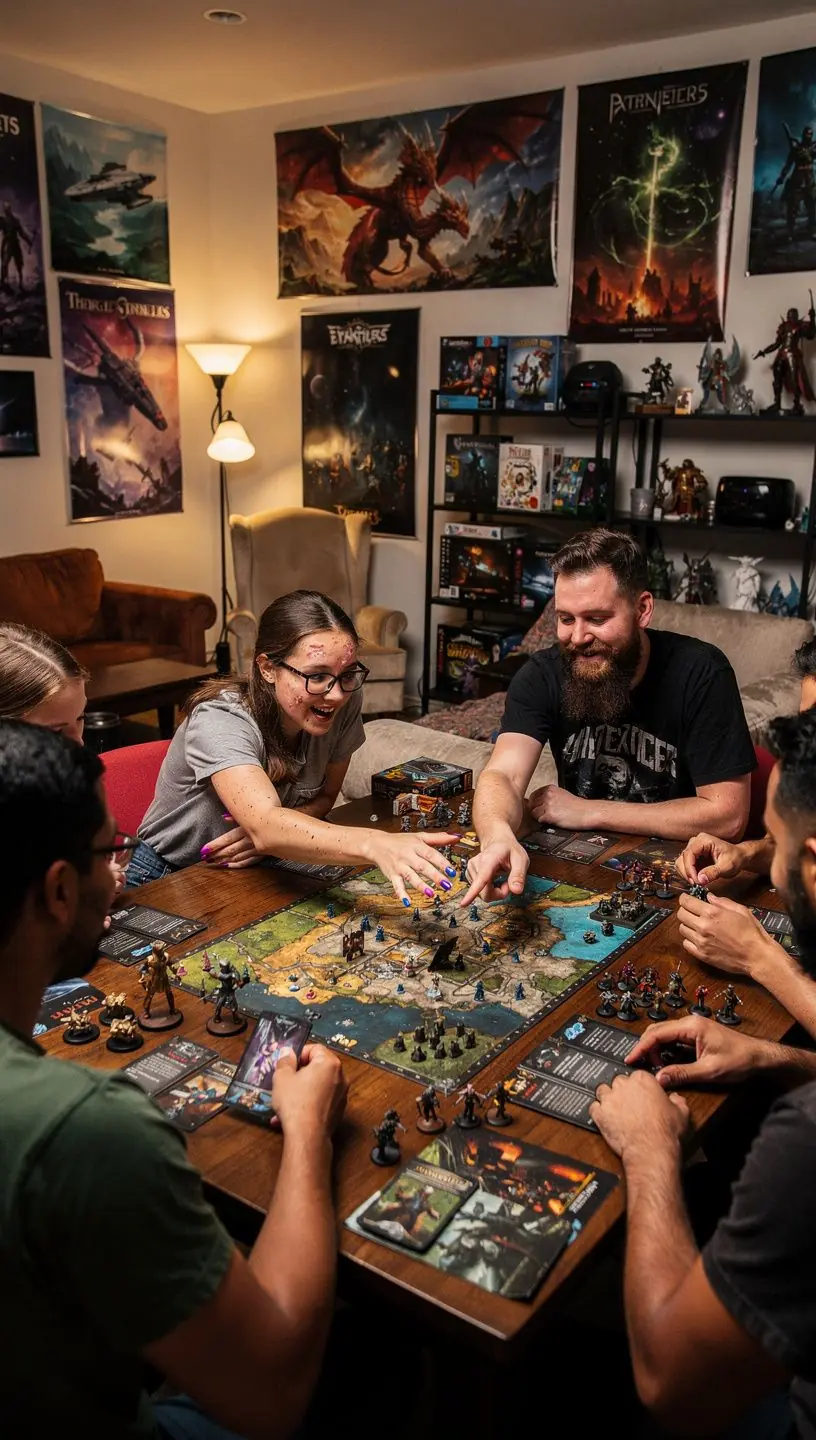
"A compelling narrative can transform a simple gameplay mechanic into an emotionally resonant experience, allowing players to feel personally invested in the outcome."
Why Narrative Matters in Game Design
There are several key reasons why narrative is crucial in game design:
- Player Engagement: Research indicates that narratives can capture players' attention more effectively than mechanics alone. This engagement often translates into longer play sessions and higher player retention rates.
- Emotional Connection: Many users report that they are more likely to invest time in a game that has a story they care about. Effective narratives can lead to emotional responses, making the gameplay experience more memorable.
- Contextual Mechanics: Storylines can provide context for gameplay mechanics, allowing players to understand their actions within the game world. This connection often enhances learning curves and makes the mechanics feel more intuitive.
Creating Engaging Narratives
While the importance of narrative is clear, creating engaging stories in games involves a structured approach:
- Character Development: Characters should be relatable and well-developed. Players often connect with characters that have clear goals, motivations, and flaws.
- World-Building: A richly constructed game world helps players immerse themselves. According to studies, detailed environments can make players feel as though they are part of the story, leading to longer engagement.
- Branching Storylines: Implementing choices that affect the narrative can enhance replayability. Players often appreciate the ability to influence the story through their decisions.
Challenges in Narrative Design
Despite its benefits, incorporating narrative into game design does come with challenges:
- Time Commitment: Developing a comprehensive narrative typically requires a substantial time investment. This process can take several months, depending on the complexity of the story and the game mechanics.
- Balancing Story and Gameplay: It's crucial to find a balance between narrative and gameplay. If the story overshadows the mechanics, players may feel disconnected from the gameplay experience.
- Audience Expectations: Understanding your target audience's narrative preferences is essential. What resonates with one demographic may not appeal to another, making user testing a valuable part of the development process.
Conclusion
In conclusion, narrative plays a critical role in game design, influencing player engagement, emotional investment, and gameplay mechanics. By focusing on character development, world-building, and integrating player choices, designers can create more immersive gaming experiences. While challenges exist, a thoughtful approach to narrative can yield significant benefits. As the gaming industry continues to evolve, the importance of storytelling in game design will only grow, proving that a well-crafted narrative is not just an added feature, but a vital component of successful game development.
Learn More