Integrating Puzzles with Narrative Flow in Immersive Experiences
Creating a narrative-driven quest experience often involves the integration of puzzles that not only challenge participants but also enhance the overall storytelling. This article explores effective methodologies for aligning puzzle mechanics with narrative flow, providing insights into how these elements can work together to create immersive experiences that captivate audiences.
Understanding the Relationship Between Puzzles and Narrative
The combination of puzzles and narrative is a crucial component of immersive experiences, as they synergistically engage participants. Research suggests that when puzzles are seamlessly integrated with storytelling, they can enhance cognitive engagement and emotional investment. According to a study by Journal of Game Design and Development Education, participants who experience a narrative-driven puzzle report higher satisfaction and motivation than those who encounter puzzles in isolation.
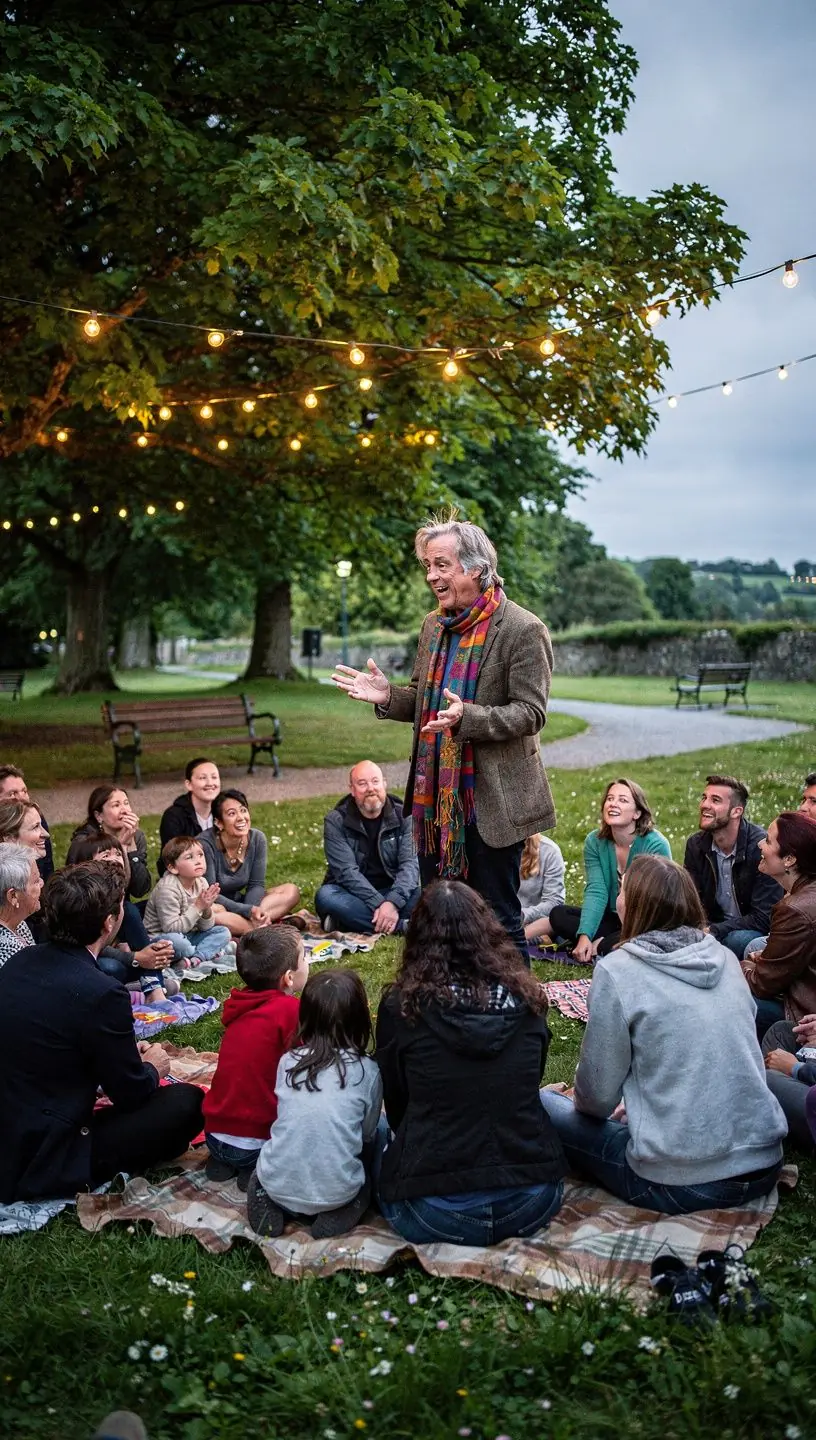
"The most engaging experiences often involve a seamless blend of narrative and interactive elements, creating a more fulfilling journey for participants." - Game Design Expert
Principles for Effective Integration
To successfully merge puzzles with narrative flow, consider the following principles:
- Contextualization: Ensure that puzzles relate directly to the story. This can involve using key plot points or character motivations as the basis for puzzle design, enhancing the player's connection to the narrative.
- Gradual Complexity: Introduce puzzles with varying difficulty levels throughout the experience. This approach allows participants to build their skills and understanding of the narrative, which can lead to greater satisfaction when they solve more complex challenges.
- Feedback Loops: Offer immediate feedback for puzzle-solving progress. Feedback, whether through narrative consequences or gameplay mechanics, reinforces the connection between the puzzle and the story, making participants feel more invested in both elements.
Challenges and Considerations
While integrating puzzles and narrative can enhance an immersive experience, it is essential to acknowledge potential challenges:
- Time Commitment: Developing a cohesive narrative with integrated puzzles typically requires significant time and effort, often taking several weeks to iterate and refine.
- Learning Curve: Participants may need time to adapt to the puzzle mechanics, especially if they are intertwined with complex narrative elements. Providing a tutorial or introductory phase may alleviate frustration.
- Balancing Difficulty: Striking the right balance between challenge and enjoyment can be tricky. Puzzles that are too difficult may disengage participants, while those that are too easy can lead to boredom. Testing and feedback are critical to finding this balance.
Conclusion
Integrating puzzles with narrative flow is a powerful approach to creating immersive experiences that resonate with participants. By focusing on contextualization, gradual complexity, and effective feedback, creators can enhance both engagement and satisfaction. However, it’s crucial to consider the necessary time and effort involved in developing these experiences, as well as the challenges that may arise. With thoughtful design and a clear understanding of how to harmonize puzzles and narratives, immersive experiences can captivate audiences in ways that leave a lasting impression.